Why food traditions matter in times of conflict
Late Night Live - Separate stories podcast
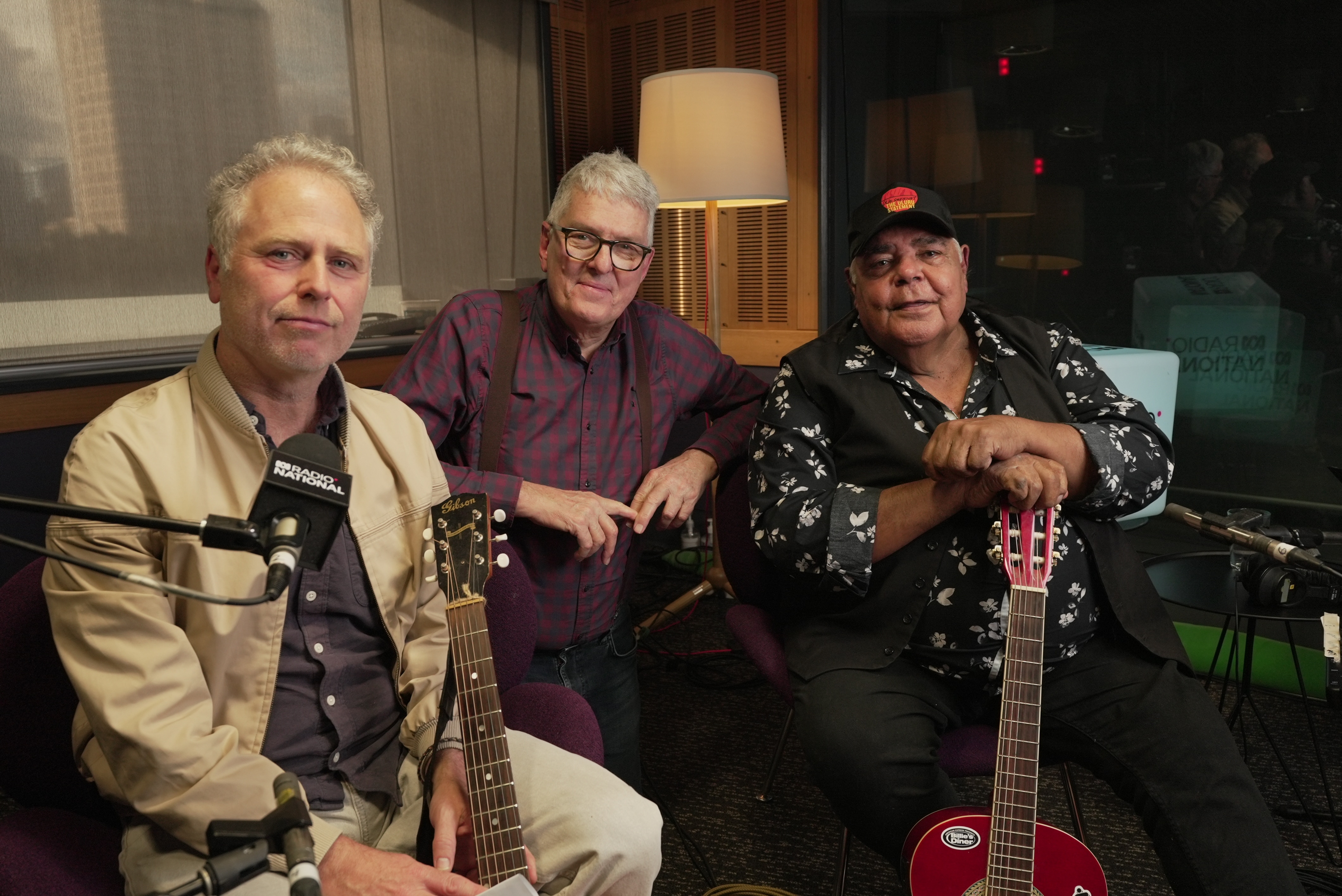
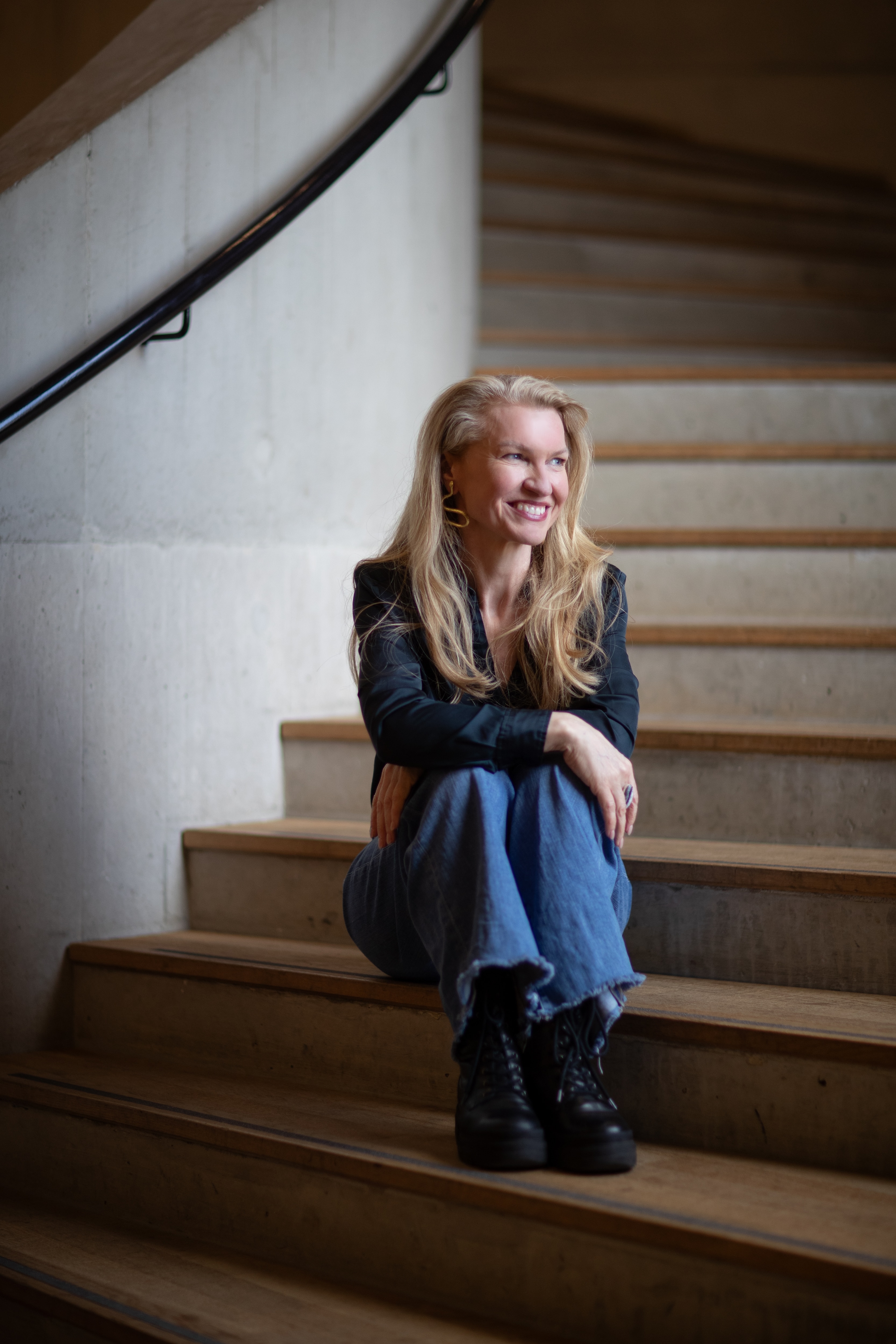
Food traditions can be one of the most fundamental losses in in war, or under political repression or displacement of populations. Michael Shaikh celebrates the food and recipes of threatened communities around the world, and calls for food culture to be prioritised for protection, along with other forms of culture, such as monuments and art. Guest: Michael Shaikh, New York-based writer and human rights investigator who worked for twenty years in areas marred by political crisis and armed conflict. Author of 'The last sweet bite: stories and recipes of culinary heritage lost and found' (published by Crown) ...
Transcript
Automatically generated from the audio. May contain errors.
About to leave Afghanistan after four or five years investigating war crimes for human rights watch, Michael Shakespeare's Afghan colleagues invited him to dinner. The food was beautiful, a thick golden stew of chickpeas and sour yogurt called saland-e-n-a-pod. As he ate, Michael began to think of the importance of food for people's enduring persecution. He came
to see that when a community's food culture is attacked it can have cascading and devastating implications not only for the emotional and spiritual well-being of the people but also their physical existence. In his book The Last Sweet Bite Michael Shaker argues that we need to put food among other
examples of intangible cultural heritage that need to be protected at times of war and violence. Not just the recipe, not just the dish of food, but the way people have of organizing, cooking, serving, and eating a meal, it matters.
Michael will be out here next week for Sydney Writers Festival. He joins us now from New York. Michael, welcome to Late Night Live. Thank you very much for having me.
It's an honor to be part of this show. Michael, you grew up not eating the food of your father's people. Is that a driver for this investigation of yours? And I'm wondering what eating American food when a much perhaps richer cuisine was available
has done to you? Well, in many ways, it stems from an issue around language, my interest in food traditions. When I was a little kid, I thought my dad had these magic powers. He could speak three languages, Urdu, Sindhi, and English.
He was born in Pakistan and came to the US to become a doctor. But I'd see at Christmas parties or I'd see when he was talking to my aunts and uncles, I'm speaking these languages and it was like this magic world that he entered and I really wanted to get into it.
And I asked my dad one day if he could teach me Sindhi, his native language. and he said, no, you don't need it. You're an American kid growing up in Cleveland, Ohio. What's the use?
And your mother doesn't speak it, so don't worry about it. You know, I went to Pakistan as a little kid often, and I get poked fun of by my cousins,
and another language I couldn't understand, and I kind of like really put a chip on my shoulder, and I was begging my dad, like, come on, teach me this language.
I can fight back in the same language. It's like, no, you don't need it. You know, the brush back was painful, but logical, I understood where it was kind of coming
from, whose doctor is busy. My mom didn't speak it. But the language bug never really left me. I was really fascinated by language.
I studied Japanese pretty intensively in college and I went to go live there after college and I was in this small little fishing village in Japan and I would go to this Izakaya every night,
this Japanese pub and it was run by this incredible woman in Keiko and over the course of my couple years living there, She took me under her wing and I kind of became her.
She became my Japanese mother. And I spent a lot of time on both sides of her bar, drinking and washing dishes on busy nights, drinking at slow nights, washing dishes,
and sometimes helping to cook. Being single at that time, she was kind of worried that I wasn't eating very well. So on slow nights, she taught me how to cook.
And one night, she pulled me behind the bar and during one of these impromptu cooking classes, She was teaching me how to cook this really incredible fry chicken, karaoke, that her family put their own spin on.
The recipes in the book. And I had this kind of standing over her shoulder. I had this kind of wave of guilt wash over me. Here I am learning her family recipes and her language.
And I couldn't do that my own. I left Japan and went back to Ohio on my way to graduate school in California. And before I left, I was reconnecting with my dad.
And we started talking about Pakistan, and as we sometimes do, and talking about family, friends, gossip. But during that conversation,
it was the first time he really opened up to me about partition, the violent breakup of India and Pakistan. Yeah. And it was really bloody, it was genocidal.
My father was a teenager at that point, and he saw a lot of it. And we kind of broached the language issue again. And I'm like, dad,
So tell me again, why didn't you teach us Cindy? And over the course of that conversation, it became very clear to me how ever present partition was in his life, what he had seen,
what he witnessed, what he felt. That kind of violence that kind of fused onto his culture and the things that he loved. And he told me simply that it was just too painful
for him to speak his language sometime, that it was too hard for him to teach it to my brother and sister and I. And in that moment, I saw this kind of tentacle
reached down through history and steal part of my culture from me. And I could see that happening to other South Asians around the world. And I was a profound kind of awakening in me. Kind of fast forward, I'm in Afghanistan.
And a dear friend of mine to me invites me over for dinner. And it was like one of my last meals in the country before I was leaving. And I'd been there for three or four years already working for Human Rights Watch and International Crisis Group, which Gareth Evans,
former foreign minister, used to be my boss. Tamim had this dinner in front of us, and then one of these dishes was this saland de nacho, this beautiful Afghan chickpea curry.
But I hadn't seen it before. And I kind of arrogantly asked Tamim if that dish was Afghan. I had been in the country for several years
and hadn't seen it before. And how, I mean, but arrogantly, how could I know a cuisine in four years? And kind of in that, you know,
that stupid, arrogant question, To me, even kind of cautioned patients like, listen, Michael, it is Afghan. But the reason why you haven't seen it
is because of the reasons why Afghanistan is at war in the first place. And to me, it was an Afghan man and is an Afghan. And he had been a refugee like many Afghans
many times in his life. And like millions of Afghans had
This is the opening of the episode. Open the player for the full interactive transcript with clickable words, translation and flashcards.
Open full transcriptAudio belongs to its publisher and is played from their feed. Rights holders can request removal — copyright & takedown policy
Episodes · Late Night Live - Separate stories podcast