Anna Henderson's Canberra: Japan PM's visit, plus Alice Springs mourns

Anna Henderson's Canberra: Japan PM's visit, plus Alice Springs mourns

Late Night Live - Separate stories podcast

B1May 4, 202614 min
Play

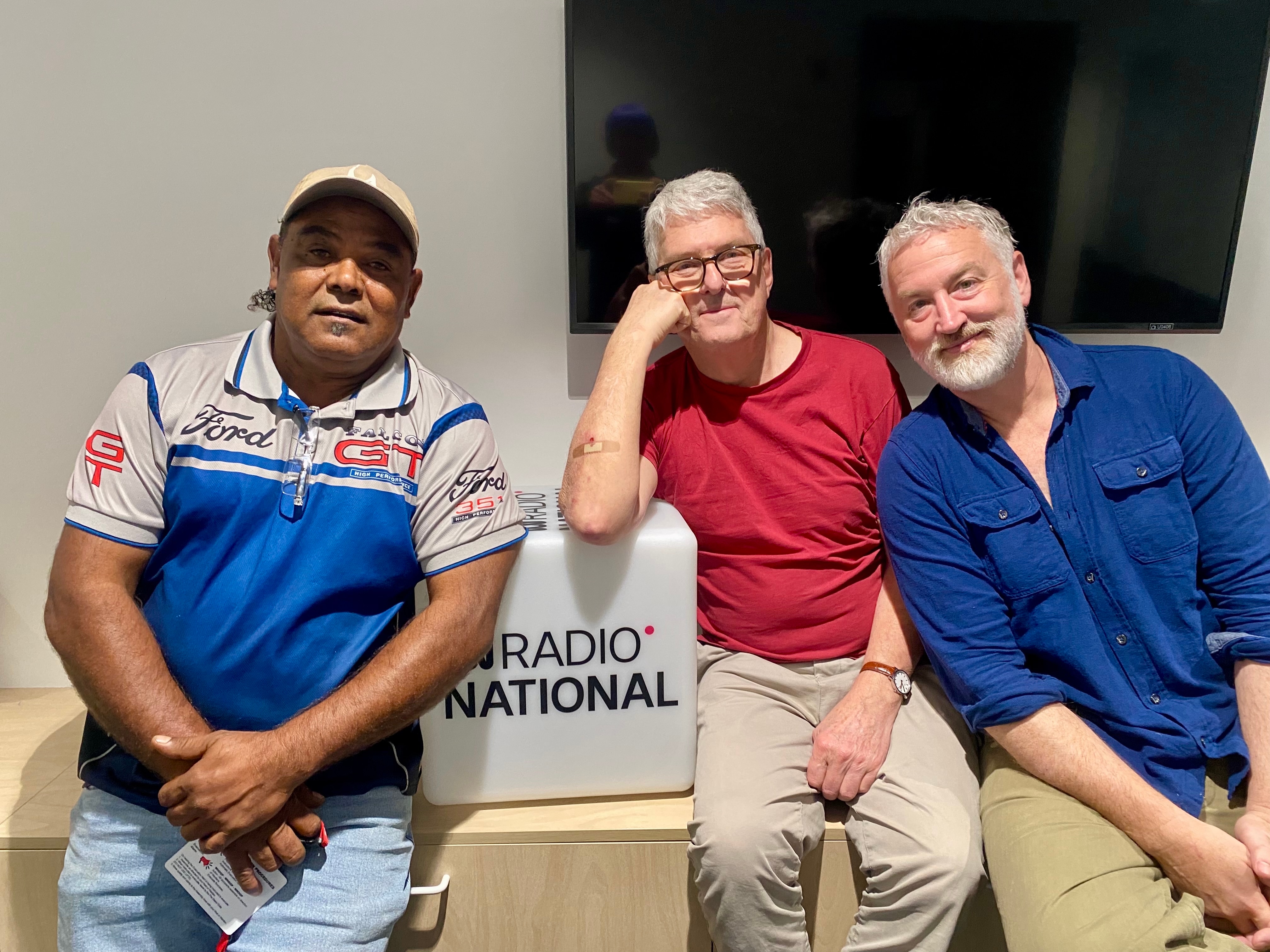
Japan's Prime Minister Sanae Takaichi is on her first official visit to Australia to sign agreements on energy, defence and critical minerals. Takaichi wouldn't take questions from the press, so whether a tax on our LNG exports was discussed remains a mystery. Plus ceremonies across the Northern Territory have paid tribute to Kumanjayi Little Baby, while Alice Springs mourns. Guest: Anna Henderson, SBS World News Chief Political Correspondent | National Press Club DirectorProducer: Catherine Zengerer

Transcript

Automatically generated from the audio. May contain errors.

Australian politics with Anna Henderson. Chief political correspondent with SBS. Anna, welcome back. Hello, David. Thank you. There was a world leader of Sirius Note in town. The Prime Minister of Japan. What was it about?

Why was she here? Well, it has been a pretty busy diplomatic circuit for the Prime Minister over the past couple of months. We had the Canadian leader, Mark Carney, the European Commission, President Ursula von der Leyen, and then it began to circulate that we would then see

the Japanese Prime Minister, Sanai Takehi, come to Australia as well. And there was a sense that in a broad decision making position from these different countries that there was an interest in visitation around the stability of Australia about importance of middle power partnerships as the sands shift internationally and the United States becomes less reliable, less predictable.

And I think this visit did flow into that kind of thinking that there was a sense of importance in having a visit to Australia, the Japanese Prime Minister coming here, striking agreements and stronger ties with the Australian government around cooperation, on defence, on security, on energy, and I think that's a really critical point. It's come at a time where we

have this fuel crisis that is potentially coming down the line within the next couple of months. Australia is really working hard to shore up allegiances within Asia to try and ensure that there is fuel supply to Australia. That feeds directly into the decisions made around the budget too because I think it was very welcome for

the Japanese that Australia isn't going ahead with a 25% gas tax in the budget next week. Certainly a smile on the Japanese Prime Minister's face when she arrived here in Australia. Did she thank us for making more money from our gas than we do?

Well, we didn't have any questions, David. So it was interesting in that sense. There was a lot to discuss and dealt with today. Apparently, the meeting behind closed doors went for 18 minutes.

That's a serious diplomatic foray. A lot of these things are organised in advance. Sometimes these meetings are seen as partly being a bit of rubber stamping around agreements and discussion, not necessarily extremely lengthy discussions of this nature in the room between

the two leaders, but that's what happened today. Then they came up with their joint statements, and yes, energy security and stability was a reference. The importance of reliability of how partners treat each other, reading between the lines, wouldn't really be seen, potentially is acceptable for Australia to suddenly change the taxing on gas

when it's already struck the contracts that go to Japan. So I think there was certainly some oblique references, but when it came to the chance that we usually expect with other liberal democracies to ask questions, that wasn't an option. And I'm told from the Japanese side during sort of the conversations they've had with Australian journalists that she is not really that interested

or keen to engage with journalists in the way that some of her predecessors have been. And even though she was part of a joint press conference with President Trump at the White House, that generally she doesn't really do interviews. She has members of her team who come and speak like a White House press secretary, but

she doesn't really engage directly with the press on a regular basis. Even in Japan. So even in Japan. Yeah.

So we didn't have that opportunity, David. And so much of what you've listed sounds sort of copper plate and I'm wondering what, whether it's been possible to work out, you know, more deeply what it's really about between the two leaders.

I mean, 80 minutes together is not rubber stamping. Yeah. But on the other hand, how much was decided in that meeting? Do you know?

It's hard to gauge exactly what was the significant, I think to backtrack a little bit, the significance of this meeting is partially in the optics to the world of these leaders coming, standing side by side, striking this range of deals, talking about things which are very much directed both at the United States and China.

So there was deal making today on critical minerals supply chains, for example, that directly about saying to China we're trying to work out a way to survive or to do things without relying on you. And then there was also deal making around safety and security in the Indo-Pacific, partially to send a message or try and send a message to the United States about the importance

of this region, which the US has both been leaving in terms of capability and its attention. But also, I think speaking to a couple of the analysts who have been watching this relationship very closely, Australia and Japan are seen as two of the sort of key, powerful Indo-Pacific nations. And there is a discussion now happening about how they can attract Donald

Trump's interest and attention back to the Indo-Pacific and make sure that that security and protection and defence relationship with Donald Trump is they're both countries allies with Donald Trump, with the US, that's really necessary. But Australia and Japan are not direct allies. We are, as the Japanese Prime Minister said today, quasi-allies.

What does that mean? It sounds so patronising. I think from what I can gather speaking to the press secretaries representing the Japanese government, it's not supposed to be derogatory. It's not supposed to suggest that we have a lower level of relationship. But if we were to strike a direct security relationship, that would

be a really serious thing because it could end up being something that basically mobilises each country and each other's defence. So that would be a huge agreement to make. And I think what the both sides are trying to say is that while they don't have that kind of deal, that would oblige them to each other's help and all the implications of that, particularly with the way

Japan is situated in the world, that it is seen as an extremely close relationship and one that

This is the opening of the episode. Open the player for the full interactive transcript with clickable words, translation and flashcards.

Open full transcript

Audio belongs to its publisher and is played from their feed. Rights holders can request removal — copyright & takedown policy

Episodes · Late Night Live - Separate stories podcast