Teachers in Nigeria's Oyo, Borno and Lagos states protest kidnappings of teachers and learners. And how poor sanitation puts mothers at risk of maternal sepsis in Zambia.
Transcript
Automatically generated from the audio. May contain errors.
This BBC podcast is supported by ads outside the UK. She's one of the best-selling music artists of all time. rising to fame as a member of our Mb group Destiny's Child before launching a solo career that's produced chart-topping hits in era-defining albums.
And with a business empire spanning hair care, whiskey and entertainment, it's fair to say she's more than just an artist, she's a global brand. Good Bad Billionaire is taking a closer look at the life and fortune of Beyonce. Good Bad Billionaire from the BBC World Service.
Listen now wherever you get your BBC podcasts. Hello and welcome. I'm Inkechi Obuna in Nairobi with Focus on Africa. Teachers in Nigeria are on the streets for the third day protesting recent country-wide abductions of students and teaching staff in Oyo and Boronu states. We hear from their
union. Most of us are in panic mode. We became so apprehensive of being attacked by these men of the underwars. So the situation is everybody is now agitated for the government to go ahead, do the needful and provide maximum security for our schools, most especially those
schools in the remote parts of our states. And how a lack of water and sanitation services continue to put thousands of women across sub-Saharan Africa at risk of maternal sepsis while giving birth. You could see that 76% of births are occurring in unsafe delivery rooms.
So these unsafe delivery rooms are rooms that basically are operating without clean water, without toilets or the means for good hygiene as well as the necessary supplies. It's Wednesday, June 3rd. Several teachers across Nigeria are joining a protest which started on June 1, demanding
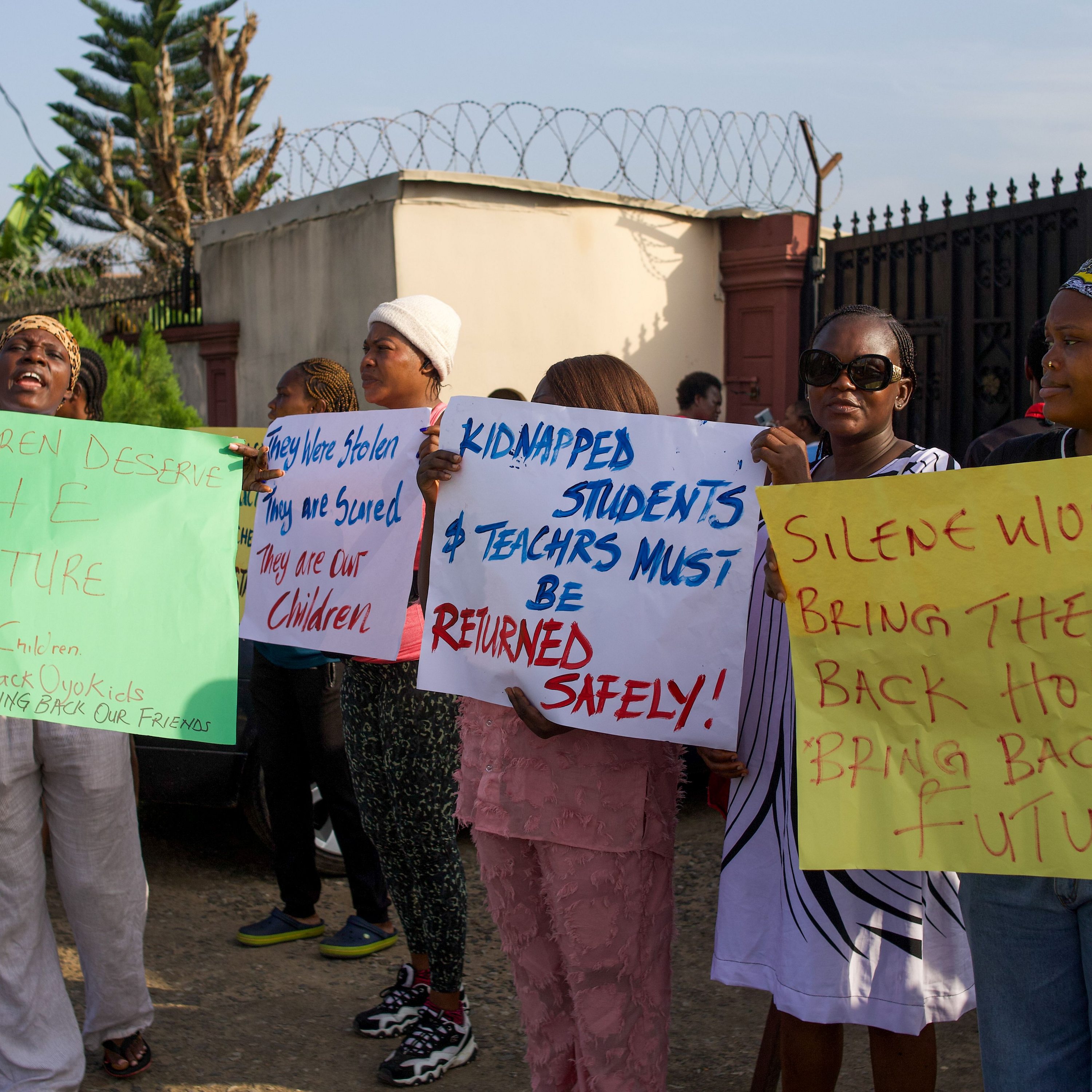
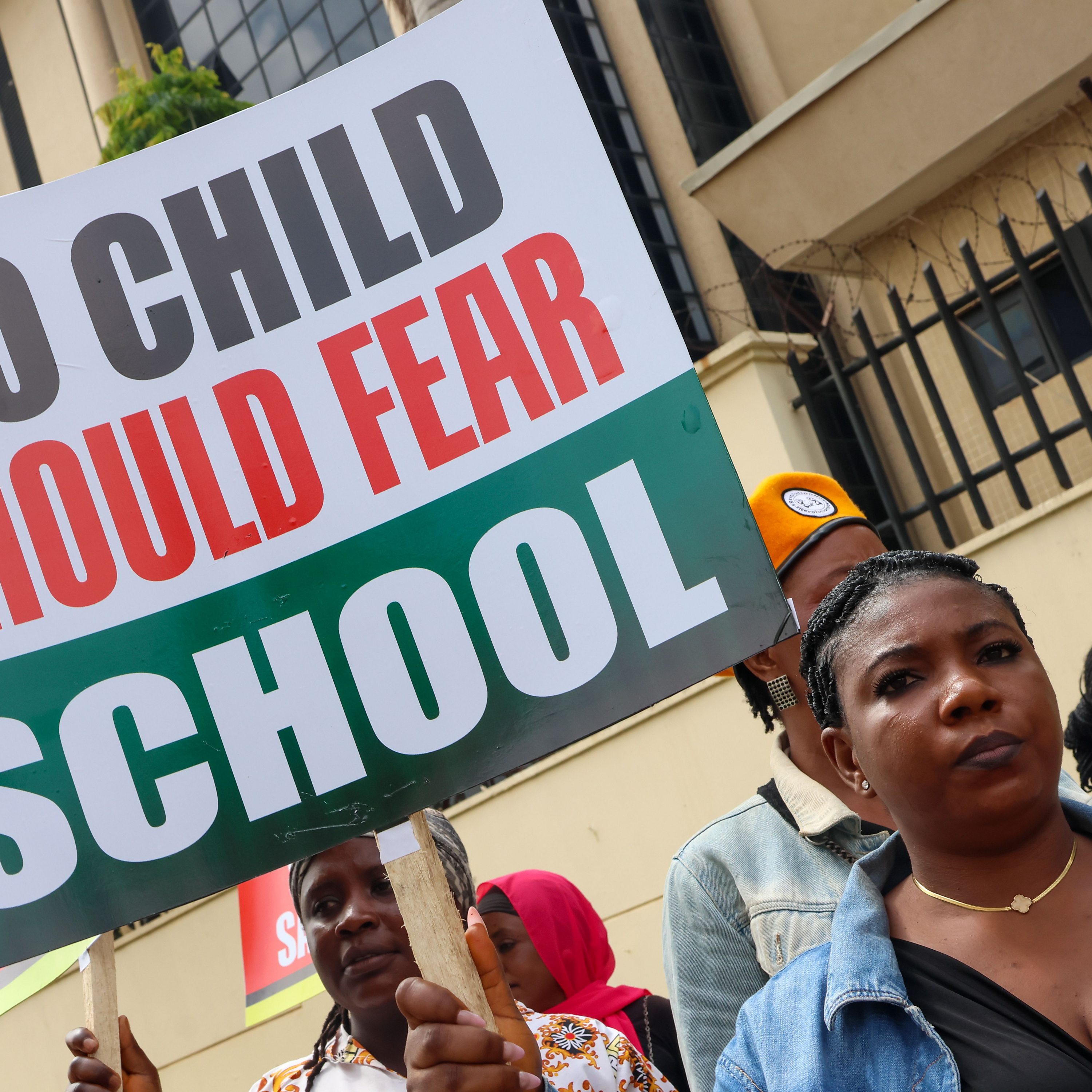
government to expedite the return of kidnapped schoolchildren and teachers. In southwestern or your state, hundreds of teachers marched through the streets of Ibado, the state capital, chanting, bring back our children. This protest come after armed men last month stormed three schools in the state and abducted
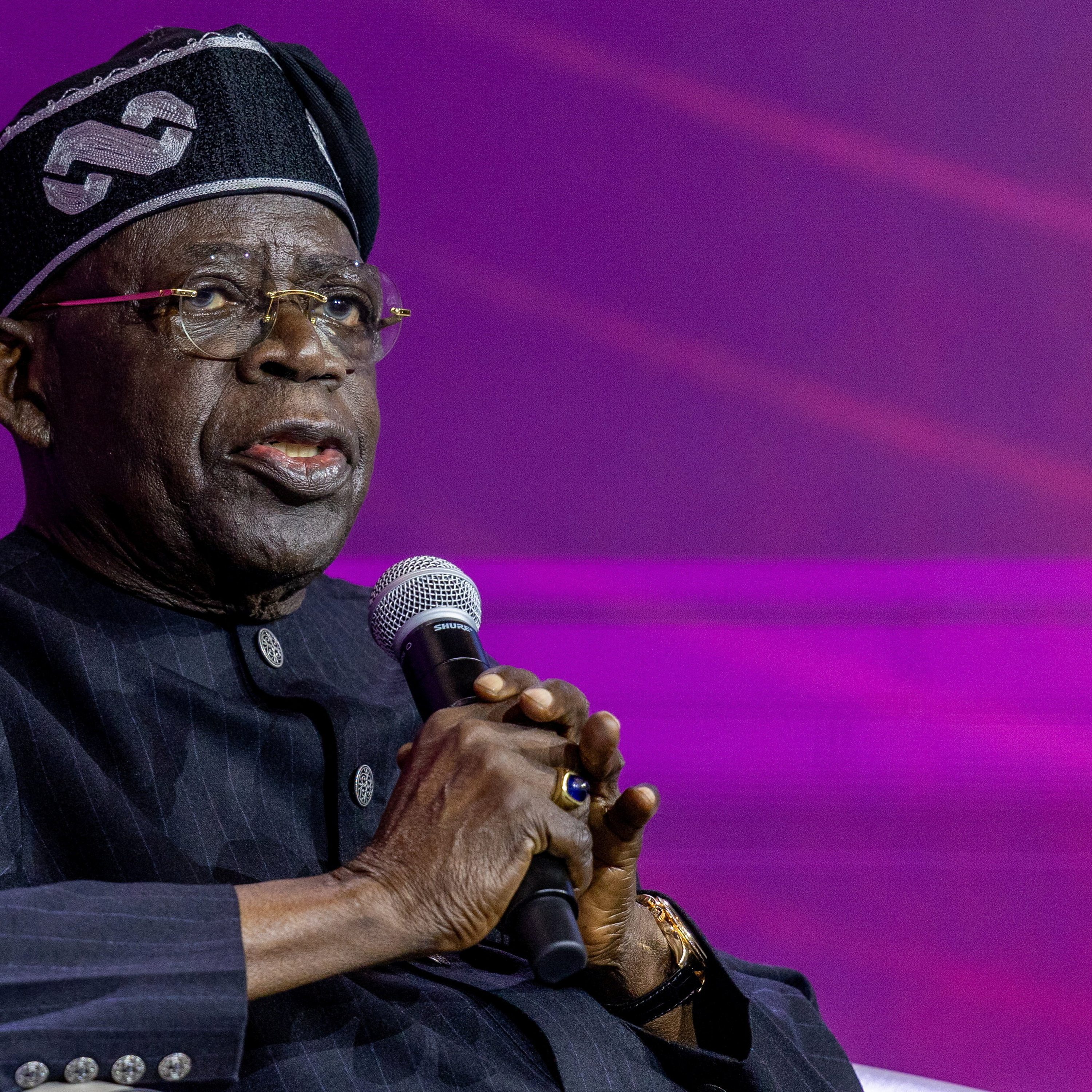
pupils and teachers. Around 50 school children were taken, some as young as two years old. In a statement, President Boyle Tinibu says he has directed the deployment of a specialized security unit with advanced rescue capabilities to intensify efforts to secure the safe
return of the abducted pupils and teachers. Viral videos circulating on social media show the victims in captivity and they've sparked outrage across the country. We heard from one of the protesting teachers. It makes me feel sick when I look at my children in the morning. I've been toddler for like
three years and I know how I cover him whenever there is cold. They are still in the house, they are feeling such cold. Let me now relate this to children in the bush. They stay in the sun, under the sun, under the rain, third last of one year, two year holds. How are they supposed to be protected? And it makes my heart bleed because where is the future of Nigeria? So as
a mother and as a teacher, it makes me cry that where is the future of this country? Children that should be protected by the government and they have been neglected. Governments are out there going about their 20-27 election, like they don't care, like nothing is happening. Families of those abducted are also speaking out, pleading with authorities to act quickly.
There are four of my grandchildren and the wife of my child. It is my child's wife that has a child on her back. Please, I am helpless right now. Please help us. It's my wife they're using to make those viral videos. It's very disheartening and depressing.
Nigeria continues to grapple with repeated school abductions, despite authorities saying there are ongoing efforts to stop them. In May, about 50 students were kidnapped in another incident in Boronu state in the northeast. Bernou is already deeply marked by such tragedies.
It's the same state where more than 200 schoolgirls were abducted from the Government Girls' Secondary School in Chibok back in April 2014. Although some of the girls have since been rescued in batches, more than 12 years later over 90 of them are still missing.
When I was concerned's grow over these letters abductions and the rising protest by teachers, I spoke with Hassan Ajibullah Fatai, chairman of the Nigerian Union of Teachers in Oya state. I started by asking him the impact of these abductions on teachers. Since the abduction of these people, teachers in Oya state, from where I'm speaking
with you. Most of us are in panic mode. We became so apprehensive of being attacked by these men of the underworld. So the situation is everybody is now agitated for the government to go ahead, do the needful and provide maximum security for our schools, most especially those schools in the remote parts of our states. So we are in panic mode.
Now have you heard from the teachers, those of them in captivity and the children as well, do you know what their living condition is like currently? Except for the video that is all over the social media of the kidnapped principal pleading for the relevant authorities to fast-track the lease and that of other teachers that
are in captivity. So as well as the students are poepies that are in captivity. We have not been able to have direct contact with any of them, not to talk or speaking with any of them.
And you've decided to protest. We heard teachers across the country, not just in your state, teachers across Nigeria joined in solidarity to protest the insecurity situation in Nigerian schools. Why did you decide to take matters to the streets?
That is the last option available to us. we've been able to infernize to the concern authorities of my state that is Oyo State. We've been able to interface with the government and the governor of Oyo State on several occasions but we became frightened, we became agitated
seeing the image on social media. Then we said okay let's charge the governor let's charge the concern authority for that by taking to the street. Right now teachers are not even asking for too much. They are not demanding for increases
This is the opening of the episode. Open the player for the full interactive transcript with clickable words, translation and flashcards.
Open full transcriptAudio belongs to its publisher and is played from their feed. Rights holders can request removal — copyright & takedown policy
Episodes · Focus on Africa