🎙️Overcome Beliefs with Kyle Morse | Real English Conversations Podcast for Global Professionals
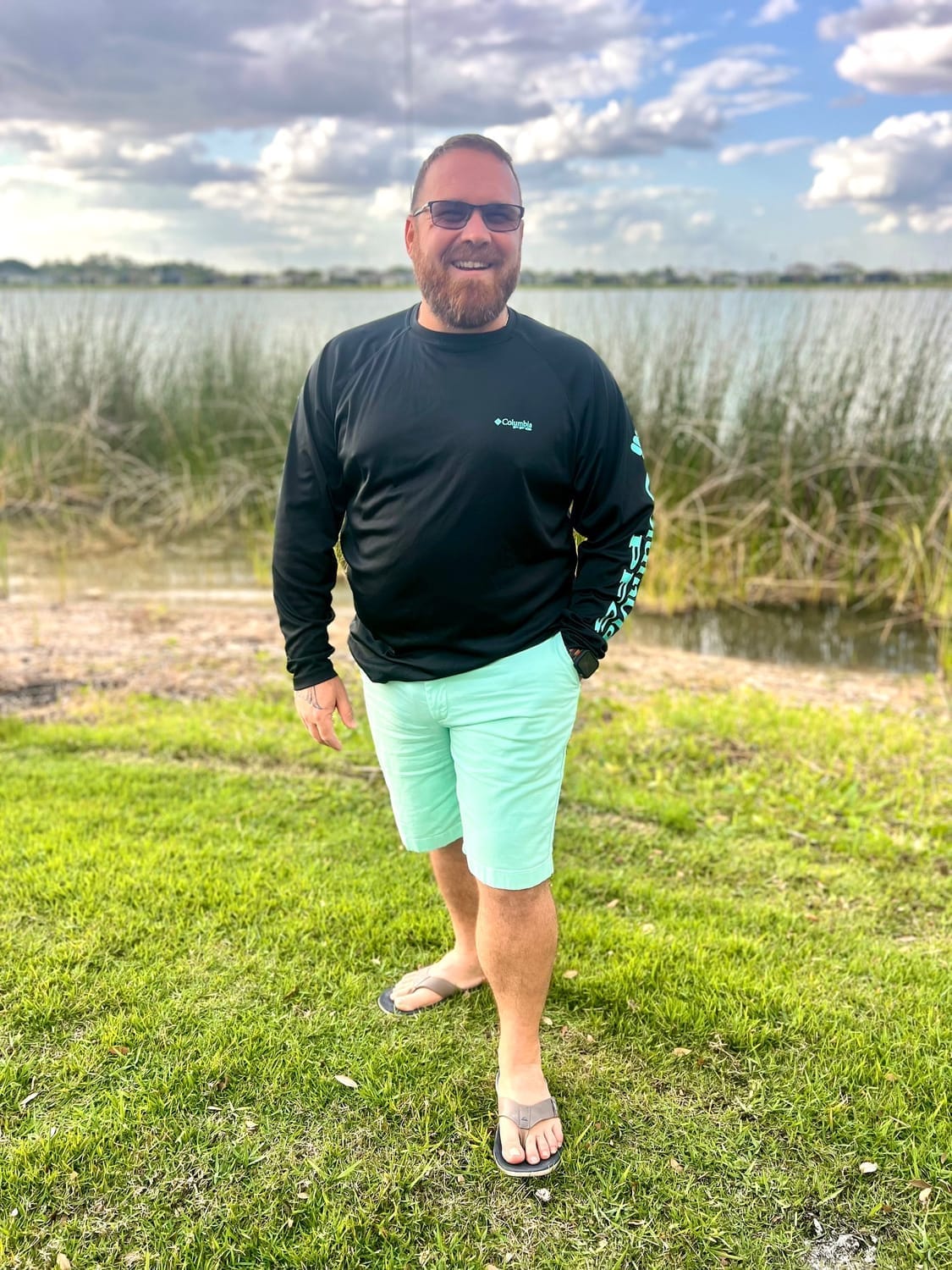
In this episode of the Real English Conversations Podcast, host Curtis Davies speaks with Kyle Morse, Master NLP Practitioner, Master Success Coach, and Founder of Overcome Beliefs. Kyle helps people rewire their identity, disrupt limiting patterns, and step into their most confident, aligned selves. After more than a decade in public service and another in the corporate world, Kyle realized that outward "success" no longer reflected who he truly was. He walked away and rebuilt his life around purpose, transformation, and the science of the unconscious mind. Today, he guides clients across the globe through...
Transcript
Automatically generated from the audio. May contain errors.
This is the Real English Conversations podcast where we help you to communicate clearly and confidently in the conversations that matter most in the workplace and your professional life. Hey everyone, it's Curtis here from the Real English Conversations podcast helping global
professionals to speak clearly and confidently at work. This week's guest is Kyle Morris. He's a mindset and transformational coach, certified master NLP practitioner and the founder of overcome beliefs. Kyle helps men and women all around the world to rewire their
identity, break limiting belief cycles, and step into their most confident, aligned, and powerful selves. Before becoming a full-time coach, Kyle spent over a decade in public service and law enforcement as a police officer and another decade in the corporate world. when outward success no longer matched who he was inside. He chose to walk away from the
guide, rebuild his life and purpose and knowledge and the science of the unconscious mind. Through his bold yet compassionate coaching style, Kyle Blend's powerful NLP techniques will discuss that and explain exactly what that is later in the podcast with real-world experience to guide people toward confidence, discipline, emotional mastery, and true leadership.
Kyle, welcome to the show. I'm excited to have this conversation with you. Yeah, thank you Curtis. I appreciate it. Let's start here Kyle. Your journey is fascinating from law enforcement and policing for 10 years in corporate work. Then you had this transition, this transformational transition into transformational
coaching. What was the breaking point that made you saying, I need to change my life? You know, that's a really good question. So really the breaking point for me was, you know, looking in the mirror one day and realizing
that I didn't recognize the man that was staring back at me. Right? And not because I had changed, but because I hadn't changed.
I was wearing the uniform for, you know, for 10 years and then later the corporate hat. I was like, I was doing all the things that looked successful from the outside.
You know, I had the good job, the steady paycheck, the respect from people, But those people really didn't, like they didn't actually know me, you know?
But inside I was just empty, like I was exhausted. I was living a life that was safe, but it wasn't mine. So like I'd wake up with this, just this weight on my chest, like I was performing in someone else's play, you know?
And the thought of that haunted me most was, you know, like, is this really all there is? Like that just played over and over in my mind. And that was my breaking point.
It wasn't just like one dramatic event. It was kind of like this slow burn because I was living out of alignment of myself. And that burn finally became a fire
that I just couldn't ignore. Now I remember I may get choked up a little bit just because this, just all the emotions come back like I can just remember it.
But I remember one night coming home after a 12 hour day in the office with a four hour round trip commute, right? and telling my girlfriend that I was just empty.
And she asked me why I hadn't left yet. And, sorry. And she could see that the job was just sucking the life out of me.
I told her, I couldn't just quit because people I love and cared about depended on me for support. And she said one thing that really made me stop and look at myself.
And that was, okay, I hear you and I'm grateful for you and everything you do for me, and when are you going to choose yourself? Right?
Mm-hmm. That, oof. Like it still, it still shakes me up. You know, that was it though.
That was the moment that I knew that I had to walk away and rebuild. Because the truth of the matter is, comfort can kill you just as much as chaos will.
And I decided that I'd rather face fear chasing my purpose than die slowly in a life that didn't belong to me. Yeah, where you can actually be yourself and know it's yourself in that role.
Yeah. You may have your dream role, right? Like little boys when they are young, they're like, oh, I want to be a police officer. And sure, you loved that career while you were in it, but was it truly who you are
or who you were and what you really wanted to do? And you came to that realization, thankfully, with the help of your significant other to be like, you know, maybe she's right. Maybe I have to take a long look at my life here, long hard look at my life here and say, is this really what I'm supposed to be doing in my life?
And now you're helping way more people than you have before. You described your mission as helping people to rewire their identity. What does that actually mean? And why is it so important for that transformation to happen? All right. Yeah. So, yeah, another great question. So I had people asking me this a lot, right? So when I say, you know, rewire
your identity, I'm talking about going deeper than the surface level mindset shifts, right? So most people try to change their lives by fixing behaviors like, you know, going to the gym, setting goals, or like forcing discipline. But if deep down their identity says, I'm not good enough or you know I always fall short, then no amount of willpower will make it stick,
right? Rewiring identity means changing the story that is underneath the story. It's shifting the unconscious beliefs that run on autopilot and tell you who you are. And most of the time, these limiting beliefs that you have about yourself were picked up in childhood before the age of seven and you've just never questioned them because your life doesn't
move in the direction of your goals. It moves in the direction of your identity. It stays true to who you believe you are. So think about it, right? If you believe that you're someone who's always anxious, you'll keep creating environments where anxiety shows up. If you believe that you're someone who's
confident and capable, your brain, your habits, your body language, all of those things will fall in line with that belief. That's really why identity work is the foundation of real lasting transformation.
This is the opening of the episode. Open the player for the full interactive transcript with clickable words, translation and flashcards.
Open full transcriptAudio belongs to its publisher and is played from their feed. Rights holders can request removal — copyright & takedown policy